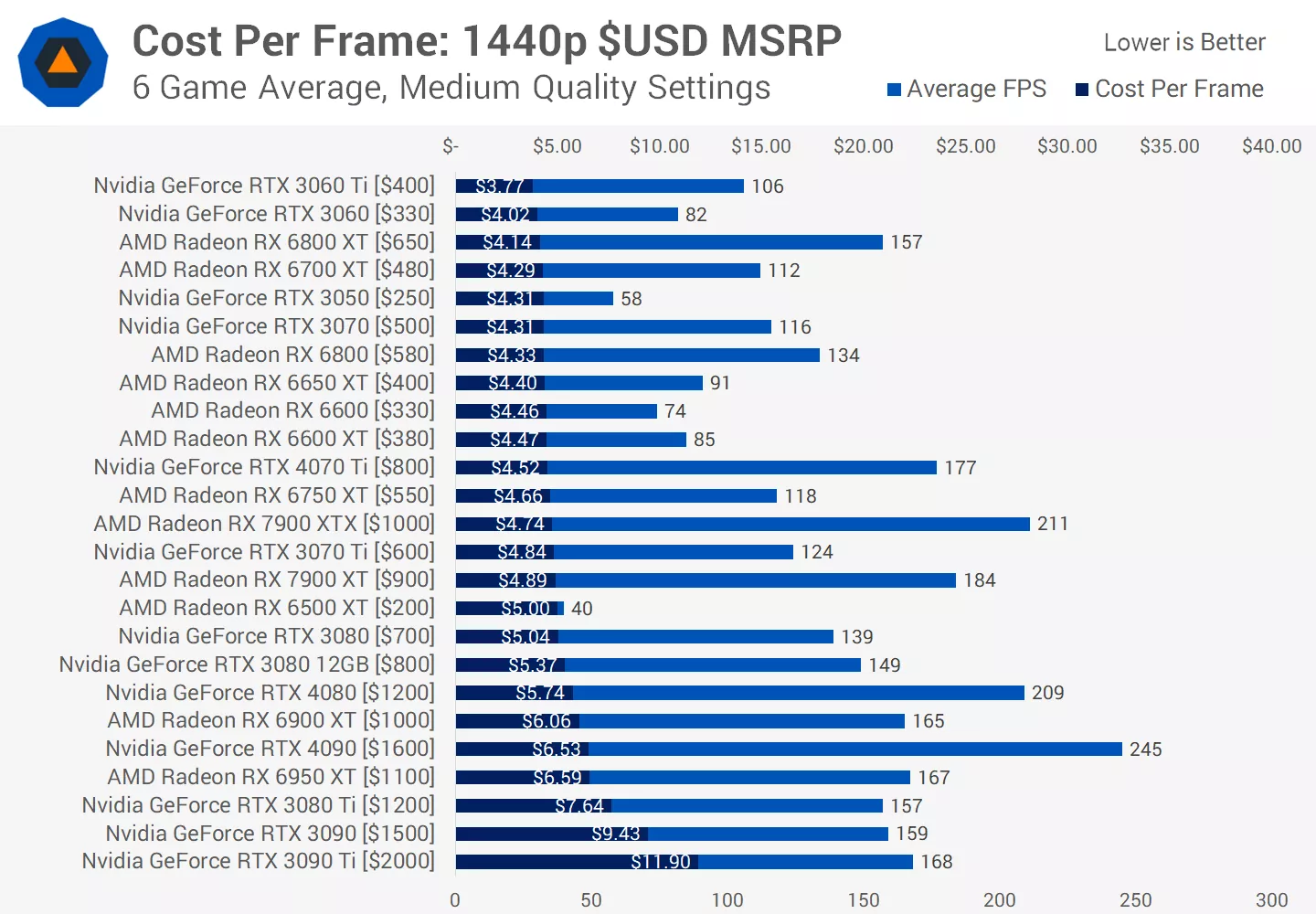
Okay, here’s a comprehensive article on comparing graphics card prices, aiming for around 1200 words. I’ve focused on key aspects of the market, factors affecting price, and strategies for finding the best deals.
Navigating the GPU Market: A Guide to Graphics Card Price Comparison
The graphics processing unit (GPU), or graphics card, is the cornerstone of any modern gaming PC, content creation workstation, or even a general-purpose computer handling demanding visual tasks. Choosing the right GPU is a crucial decision, and a significant part of that decision revolves around price. The GPU market can be complex and volatile, with prices fluctuating due to factors ranging from silicon supply to cryptocurrency mining booms. This article provides a comprehensive guide to comparing graphics card prices, helping you make an informed purchase that balances performance and budget.
Understanding the GPU Landscape
Before diving into price comparisons, it’s essential to understand the basic players and categories within the GPU market:
- AMD vs. NVIDIA: These are the two dominant players in the discrete GPU market. Both companies offer a wide range of cards, from entry-level options for basic tasks to high-end powerhouses for enthusiast gamers and professional applications. They both come up with GPU that are considered the best, but both are for different use cases.
- Integrated Graphics: Many CPUs come with integrated graphics, meaning the graphics processing is handled by the CPU itself. While sufficient for basic tasks like browsing and office work, integrated graphics generally lack the power for demanding games or professional applications.
- Discrete Graphics Cards: These are dedicated cards that plug into a motherboard slot and provide significantly more graphics processing power than integrated solutions. They have their own dedicated memory (VRAM) and cooling systems.
-
GPU Tiers: Within AMD and NVIDIA’s product lines, GPUs are segmented into tiers based on performance and price. Generally, these tiers can be categorized as:
- Entry-Level: Suitable for basic gaming at lower resolutions and older titles.
- Mid-Range: Offers a good balance of performance and price, capable of handling most modern games at 1080p or 1440p with reasonable settings.
- High-End: Designed for enthusiast gamers and content creators who demand the highest frame rates, resolutions (1440p and 4K), and visual fidelity.
- Flagship: The most powerful and expensive cards, pushing the boundaries of performance and often incorporating cutting-edge technologies.
Factors Influencing GPU Prices
GPU prices are not static; they fluctuate based on a complex interplay of factors:
- Silicon Supply and Demand: Like any commodity, the supply and demand of silicon wafers (the raw material for GPUs) significantly impacts prices. Shortages, often caused by manufacturing bottlenecks or unexpected surges in demand, can drive prices up.
- Cryptocurrency Mining: The demand for GPUs for cryptocurrency mining has historically had a significant impact on prices. When cryptocurrencies like Ethereum were profitable to mine, miners would purchase large quantities of GPUs, driving up prices and creating shortages for gamers and other consumers.
- Manufacturing Costs: The complexity and cost of manufacturing GPUs, including the use of advanced lithography techniques, directly influence the final price.
- VRAM (Video RAM): The amount and speed of VRAM on a graphics card impact its performance, particularly at higher resolutions and with demanding textures. Cards with more and faster VRAM command higher prices.
- Power Consumption and Cooling: More powerful GPUs generally require more power and more sophisticated cooling solutions. The cost of these components contributes to the overall price.
- Features and Technologies: Advanced features like ray tracing, DLSS (Deep Learning Super Sampling), and other proprietary technologies add to the cost of development and implementation, which is reflected in the price.
- Market Competition: The level of competition between AMD and NVIDIA influences pricing strategies. When one company releases a particularly compelling product, the other may adjust prices to remain competitive.
- Retailer Margins: Retailers add their own margins to the wholesale price of GPUs, which can vary depending on the retailer and market conditions.
- Tariffs and Import Duties: International trade policies, such as tariffs and import duties, can impact the prices of GPUs in certain regions.
- Global Economic Conditions: Broader economic factors, such as inflation, currency exchange rates, and overall economic growth, can influence GPU prices.
- Availability: When demand is higher than availability, prices increase, a simple economic principle.
Strategies for Effective Price Comparison
Given the complexity of the GPU market, effective price comparison requires a strategic approach:
-
Define Your Needs:
- Gaming Resolution and Refresh Rate: What resolution (1080p, 1440p, 4K) and refresh rate (60Hz, 144Hz, etc.) are you targeting?
- Game Genres: What types of games do you play? Some games are more demanding than others.
- Content Creation: Do you need the GPU for video editing, 3D rendering, or other content creation tasks?
- Budget: Set a realistic budget based on your needs and the current market conditions.
-
Research and Identify Target GPUs:
- Read Reviews: Consult reputable tech websites and YouTube channels for in-depth reviews of different GPUs.
- Compare Specifications: Pay attention to key specifications such as core count, clock speeds, memory size, memory bandwidth, and power consumption.
- Performance Benchmarks: Look for benchmark results in the games and applications you use.
- Consider Future-Proofing: Think about how long you plan to use the GPU and whether you need to future-proof for upcoming games and technologies.
-
Utilize Price Comparison Websites and Tools:
- PC Part Picker: This website allows you to select components and compare prices from various retailers.
- Newegg, Amazon, and Other Retailer Websites: Check the prices on major retailer websites, but be aware that prices can change frequently.
- CamelCamelCamel (Amazon Price Tracker): This tool tracks the price history of products on Amazon, allowing you to see if a price is a good deal or if it’s likely to drop further.
- GPU-Specific Comparison Websites: Some websites specialize in comparing GPU prices and specifications.
-
Monitor Prices Regularly:
- Set Price Alerts: Use price comparison websites or retailer websites to set up price alerts for your target GPUs.
- Check for Sales and Promotions: Keep an eye out for sales, promotions, and discounts offered by retailers.
- Consider Used GPUs: Used GPUs can be a good option for saving money, but be sure to purchase from a reputable seller and inspect the card carefully.
-
Factor in Additional Costs:
- Power Supply: Make sure your power supply is sufficient for the GPU’s power consumption.
- Cooling: Consider whether you need to upgrade your cooling solution, especially for high-end GPUs.
- Case: Ensure that the GPU will fit in your case.
-
Be Patient:
- Avoid Impulse Purchases: Don’t rush into a purchase without doing your research and comparing prices.
- Wait for Price Drops: If you’re not in a hurry, consider waiting for prices to drop, especially after new GPUs are released.
Specific Price Comparison Considerations
- New vs. Used: Used GPUs can offer significant savings, but come with risks. Thoroughly inspect the card and purchase from reputable sellers.
- Overclocking Potential: If you plan to overclock your GPU, consider the cooling solution and the card’s reputation for overclocking stability.
- Warranty: Check the warranty offered by the manufacturer and the retailer.
- Return Policies: Familiarize yourself with the return policies of the retailer in case you need to return the GPU.
The Impact of New GPU Releases
The release of new GPUs from AMD and NVIDIA typically has a ripple effect on the market:
- Price Drops on Older Models: Prices on older GPUs tend to drop as retailers clear inventory to make room for the new models.
- Increased Availability: The release of new GPUs can alleviate shortages of older models.
- Performance Improvements: New GPUs offer performance improvements over older models, but they also tend to be more expensive.
Conclusion
Comparing graphics card prices can be a daunting task, but by understanding the factors that influence prices, utilizing price comparison tools, and carefully researching your options, you can make an informed purchase that meets your needs and budget. Remember to define your requirements, research target GPUs, monitor prices regularly, and factor in additional costs. With patience and diligence, you can find the perfect graphics card for your gaming or content creation setup without breaking the bank. The key is to be informed, patient, and adaptable in the ever-evolving GPU market.