Okay, here’s a comprehensive article on the best cooling systems for CPUs, targeting a general audience while including enough detail for enthusiasts.
The Ultimate Guide to CPU Cooling: Keeping Your Processor Chill
A powerful CPU is the heart of any modern computer. It processes instructions, runs applications, and handles the heavy lifting of gaming and content creation. However, all that processing power generates heat. If that heat isn’t effectively dissipated, your CPU can throttle performance, become unstable, or even suffer permanent damage. That’s where CPU cooling comes in. Choosing the right cooling system is crucial for maximizing performance, extending the lifespan of your CPU, and maintaining a stable and quiet computing experience.
This guide will walk you through the different types of CPU cooling systems available, discuss their pros and cons, and help you choose the best option for your specific needs and budget.
Why is CPU Cooling Important?
Before diving into the options, let’s emphasize why proper CPU cooling is so vital:
- Preventing Thermal Throttling: When a CPU gets too hot, it will automatically reduce its clock speed to lower the temperature. This is called thermal throttling, and it significantly impacts performance, resulting in lag, stuttering, and slower overall responsiveness.
- Extending CPU Lifespan: Excessive heat can degrade the delicate components inside your CPU over time. Keeping your CPU within its safe operating temperature range helps prolong its lifespan and prevent premature failure.
- Ensuring System Stability: Overheating can cause system instability, leading to crashes, freezes, and the dreaded Blue Screen of Death (BSOD). A reliable cooling system ensures your system remains stable even under heavy workloads.
- Enabling Overclocking: Overclocking involves pushing your CPU beyond its factory-specified clock speed to achieve higher performance. However, overclocking generates even more heat, making a high-performance cooling system essential for stable and safe overclocking.
- Reducing Noise: While often overlooked, a good cooler can be quieter. Factory coolers are often noisy, particularly under load. Replacing it with something more robust often comes with lower noise levels.
Types of CPU Cooling Systems
There are primarily two main types of CPU cooling systems: air coolers and liquid coolers. Each has its own advantages and disadvantages.
1. Air Coolers:
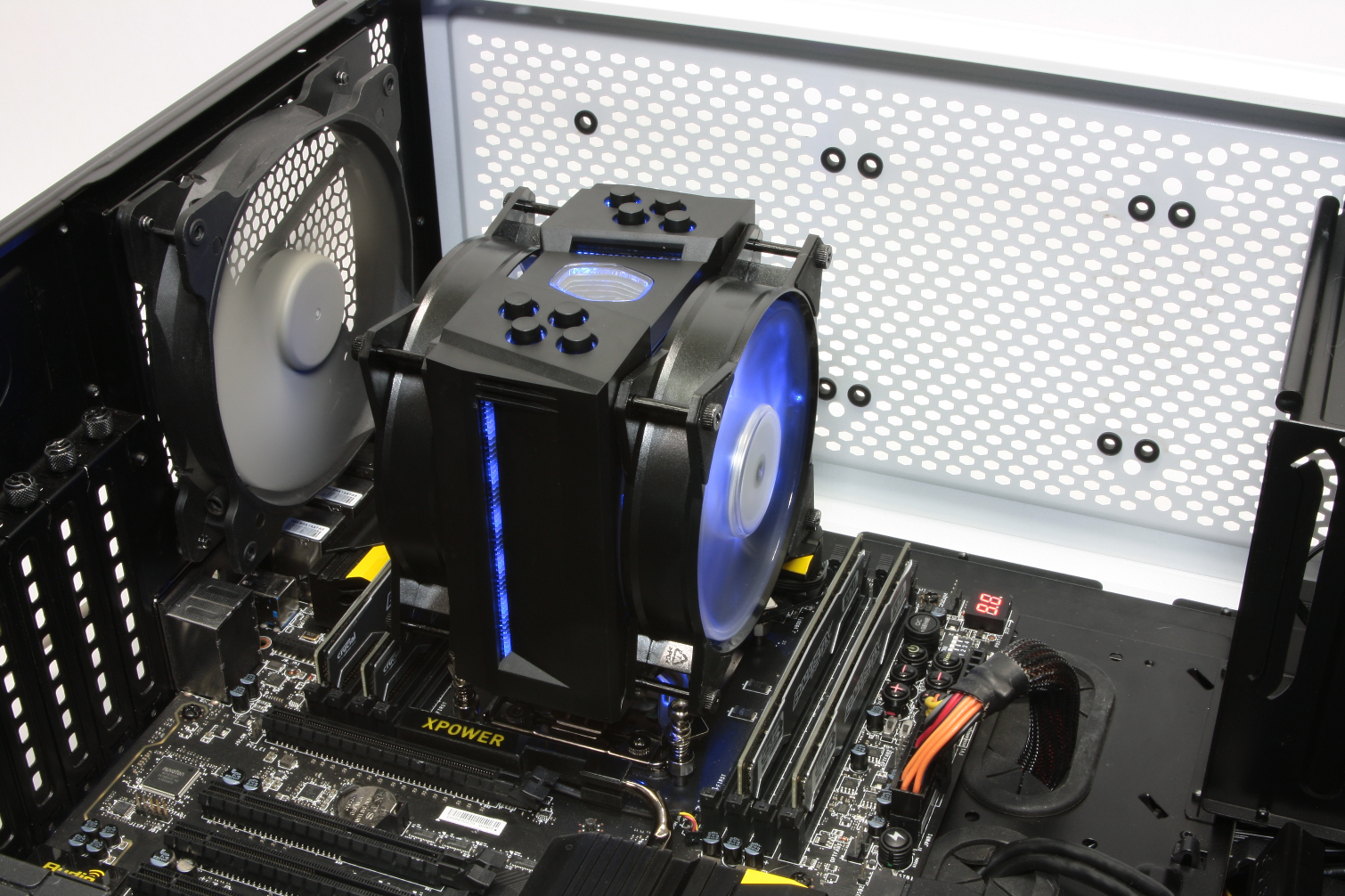
Air coolers are the most common and traditional type of CPU cooling. They consist of a heatsink, typically made of aluminum or copper, with fins that increase the surface area for heat dissipation. A fan is attached to the heatsink to blow air across the fins, carrying the heat away.
-
How They Work: Heat is transferred from the CPU to the heatsink through a thermal interface material (TIM), such as thermal paste. The heatsink absorbs the heat, and the fan dissipates it into the surrounding air. More advanced air coolers use heatpipes, which are sealed tubes containing a liquid that vaporizes at low temperatures. This liquid absorbs heat at the CPU contact point and travels to the fins, where it condenses and releases the heat. This process is more efficient than relying solely on the thermal conductivity of the metal.
-
Pros:
- Affordable: Air coolers are generally less expensive than liquid coolers.
- Reliable: They have fewer moving parts, making them less prone to failure.
- Easy to Install: Installation is usually straightforward, especially with clip-on or screw-on mounting systems.
- Low Maintenance: Air coolers require minimal maintenance, typically just occasional dusting.
- Quiet Options: Many high-quality air coolers are designed for quiet operation.
- Less Risk of Leaks: There are no liquids, eliminating the risk of leaks.
-
Cons:
- Size and Clearance: High-performance air coolers can be quite large and may not fit in smaller cases or interfere with RAM modules.
- Cooling Performance: While high-end air coolers can perform very well, they generally don’t match the cooling capacity of liquid coolers, especially for heavily overclocked CPUs.
- Aesthetics: Some users find air coolers less visually appealing than liquid coolers.
-
Examples: Noctua NH-D15, Cooler Master Hyper 212, be quiet! Dark Rock Pro 4
2. Liquid Coolers (Water Coolers):
Liquid coolers use a liquid coolant to transfer heat away from the CPU to a radiator, where it is dissipated by fans. There are two main types of liquid coolers: All-in-One (AIO) coolers and custom liquid cooling loops.
-
All-in-One (AIO) Coolers: These are self-contained units that include a CPU block (water block), pump, tubing, and radiator. They are pre-filled and sealed, making them easy to install and maintain.
-
How They Work: The CPU block absorbs heat from the CPU. The pump circulates the coolant through the tubing to the radiator, where the heat is dissipated by fans.
-
Pros:
- Excellent Cooling Performance: AIO coolers generally offer better cooling performance than air coolers, especially for high-TDP CPUs and overclocked systems.
- Easier Installation than Custom Loops: AIOs are much easier to install than custom liquid cooling loops.
- Aesthetics: AIO coolers often have a cleaner and more visually appealing look than large air coolers, especially those with RGB lighting.
- Better RAM Clearance: The CPU block is smaller than a large air cooler, providing better clearance for RAM modules.
-
Cons:
- More Expensive: AIO coolers are typically more expensive than air coolers.
- Potential for Leaks: Although rare, there is a risk of leaks with liquid coolers.
- Pump Noise: The pump can generate some noise, although many AIO coolers have quiet pump designs.
- Lifespan: The pump has a limited lifespan and may eventually fail.
-
Examples: Corsair iCUE H150i Elite LCD, NZXT Kraken Z73, Arctic Liquid Freezer II 360
-
-
Custom Liquid Cooling Loops: These are advanced cooling systems that allow you to customize every aspect of the cooling loop, including the CPU block, pump, reservoir, tubing, radiators, and coolant.
-
How They Work: Similar to AIO coolers, but with the ability to customize and expand the loop to cool other components, such as the GPU.
-
Pros:
- Maximum Cooling Performance: Custom loops offer the best possible cooling performance, allowing for extreme overclocking.
- Customization: You have complete control over the components and aesthetics of the cooling loop.
- Expandability: You can add more components to the loop to cool multiple components.
- Lower Noise Potential: With careful component selection and fan control, custom loops can be very quiet.
-
Cons:
- Very Expensive: Custom loops are the most expensive cooling option.
- Complex Installation: Installation is complex and requires significant technical knowledge.
- Maintenance: Custom loops require regular maintenance, including refilling the coolant and cleaning the components.
- High Risk of Leaks: There is a higher risk of leaks compared to AIO coolers.
- Time Consuming: Planning and assembling a custom loop takes considerable time.
-
Choosing the Right Cooling System
Here’s a guide to help you choose the best cooling system for your needs:
- Budget: Determine your budget and allocate funds accordingly. Air coolers are the most affordable, followed by AIO coolers, and then custom liquid cooling loops.
- CPU TDP (Thermal Design Power): Check the TDP of your CPU. This is the amount of heat the CPU generates. Choose a cooler that is rated to handle at least the TDP of your CPU.
- Case Size and Clearance: Ensure that the cooler you choose will fit inside your case and won’t interfere with other components, such as RAM modules. Check the cooler’s dimensions and compare them to your case’s specifications.
- Overclocking: If you plan to overclock your CPU, you’ll need a more powerful cooling system, such as a high-end air cooler or an AIO liquid cooler. For extreme overclocking, a custom liquid cooling loop may be necessary.
- Noise Level: Consider the noise level of the cooler. Some coolers are designed for quiet operation, while others prioritize performance over noise. Read reviews and check the fan specifications to get an idea of the noise level.
- Aesthetics: If aesthetics are important to you, choose a cooler that matches your system’s overall look. AIO coolers often have RGB lighting and sleek designs.
Tips for Optimal Cooling Performance
- Apply Thermal Paste Correctly: Use the correct amount of thermal paste and apply it evenly to the CPU. Follow the instructions provided with the thermal paste.
- Ensure Proper Airflow: Make sure your case has good airflow to remove hot air from the system. Use case fans to create a positive pressure environment, where more air is being pushed into the case than being pulled out. This helps prevent dust from entering the case.
- Clean Your Cooler Regularly: Dust can accumulate on the heatsink and fans, reducing their cooling efficiency. Clean your cooler regularly with compressed air or a soft brush.
- Monitor CPU Temperatures: Use monitoring software to keep track of your CPU temperatures. This will help you identify any potential cooling issues early on. Good software includes HWMonitor and the monitoring tools provided by your motherboard manufacturer.
- Consider Ambient Temperature: The temperature of your room affects your CPU’s temperature. If you live in a hot climate, you may need a more powerful cooling system.
Conclusion
Choosing the right CPU cooling system is essential for maximizing performance, extending the lifespan of your CPU, and ensuring a stable computing experience. Consider your budget, CPU TDP, case size, overclocking plans, and noise preferences when making your decision. Whether you choose an air cooler, an AIO liquid cooler, or a custom liquid cooling loop, make sure it provides adequate cooling for your CPU and keeps it running at optimal temperatures. By following the tips in this guide, you can keep your CPU cool and enjoy a smooth and reliable computing experience.